3D printed models for teaching science and engineering
Short answer
These free models each show one idea you can hold and turn: gear ratios with the planetary gears, a car differential, orbits with the orrery, heat engines with the Stirling engine, cryptography with the Enigma machine and robotics with the robot hand. Each page has every STL, a parts list, print settings and building steps. They are free for non-commercial use, which includes lessons.
- Models
- 13 for lessons
- Printer
- Any FDM, 0.4 mm nozzle
- Material
- PLA, no supports
- Licence
- CC BY-NC 4.0
- Price
- Free, no account
What each model shows
| Topic | Model | What students see | Printed parts | Largest part needs |
|---|---|---|---|---|
| Gear ratios | Planetary gears | A 5:1 reduction with a sun, three planets and a ring gear; the pointer shows the carrier turn once for five turns of the crank. | 9 | 150 × 150 mm |
| Gears and torque | Manual gearbox | Five speeds and reverse: shift and count how fast the output turns in each gear. | 49 | 169 mm |
| Differentials | Car differential | Why a car's wheels can turn at different speeds in a bend: hold one wheel and the other turns twice as fast. | 27 | 210 mm |
| Orbits | Orrery | Mercury to Saturn at their real relative speeds; one turn of the crank is one year. | 52 | 200 mm |
| Astronomy and history | Antikythera mechanism | An ancient Greek gear computer: Sun, Moon phase, the 19-year Metonic cycle and the Saros eclipse cycle. | 48 | 210 mm |
| Heat engines | Stirling engine | Turns heat into motion on a mug of hot water; stops when the water cools. | 19 | 118 mm |
| Fluids | Tesla turbine | A turbine without blades: air dragging on smooth discs turns the rotor. | 17 | 108 mm |
| Linkages | Strandbeest | Theo Jansen's leg linkage turns a rotating crank into walking. | 75 | 120 mm |
| Cams | Wave machine | 32 cams set 22.5° apart lift 32 slats into a travelling wave. | 73 | 212 mm |
| Cryptography | Enigma machine | Rotors wired like the real Enigma I: encrypt a message and decrypt it with the same settings. | 13 | 200 × 200 mm |
| Timekeeping | Tourbillon clock | A Swiss lever escapement in a cage that turns once a minute, driven by a weight. | 37 | 212 mm |
| Robotics | Robot hand | Fingers on fishing-line tendons, moved by five servos and an Arduino, or pulled by hand. | 28 | 150 mm |
| Sound | Music box | A comb of 15 tuned tines from C4 to C6 and a drum you program with filament pins. | 8 | 144 mm |
Planning a class set
- Small printers: the planetary gears, Stirling engine, Tesla turbine, Strandbeest, music box and blacksmith automaton fit a 150 mm bed.
- Little to buy: the planetary gears, gearbox and steam locomotive need no screws. The Strandbeest needs a small motor and two AA batteries, the robot hand five servos and an Arduino.
- Show it before you print it: every model page has a 3D view that takes the model apart, which works on a classroom screen.
- Print ahead: the large builds take several days of printing. Start with one model for the teacher's desk and print the small parts for groups.
-
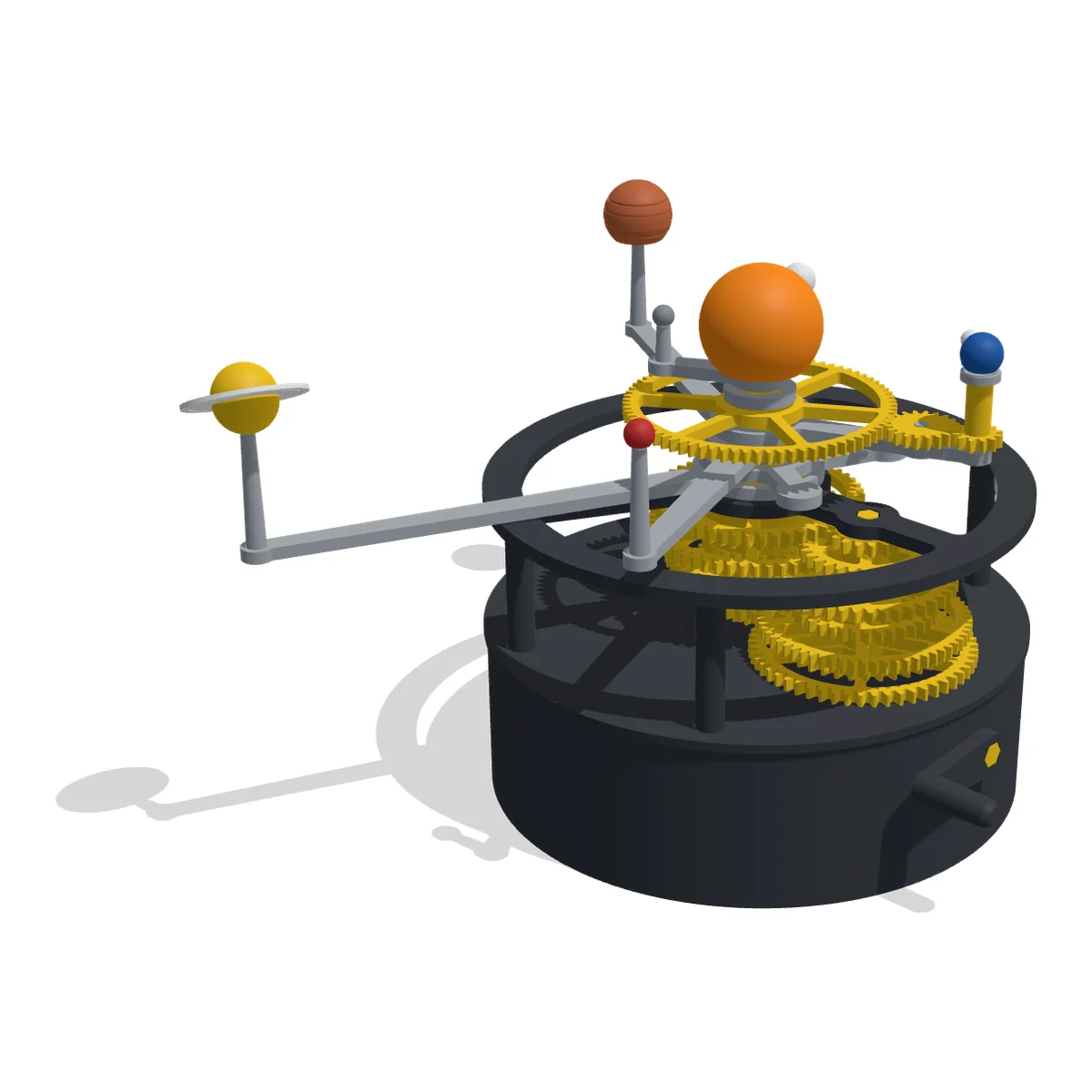
Orrery
One turn of the crank is one year.
-
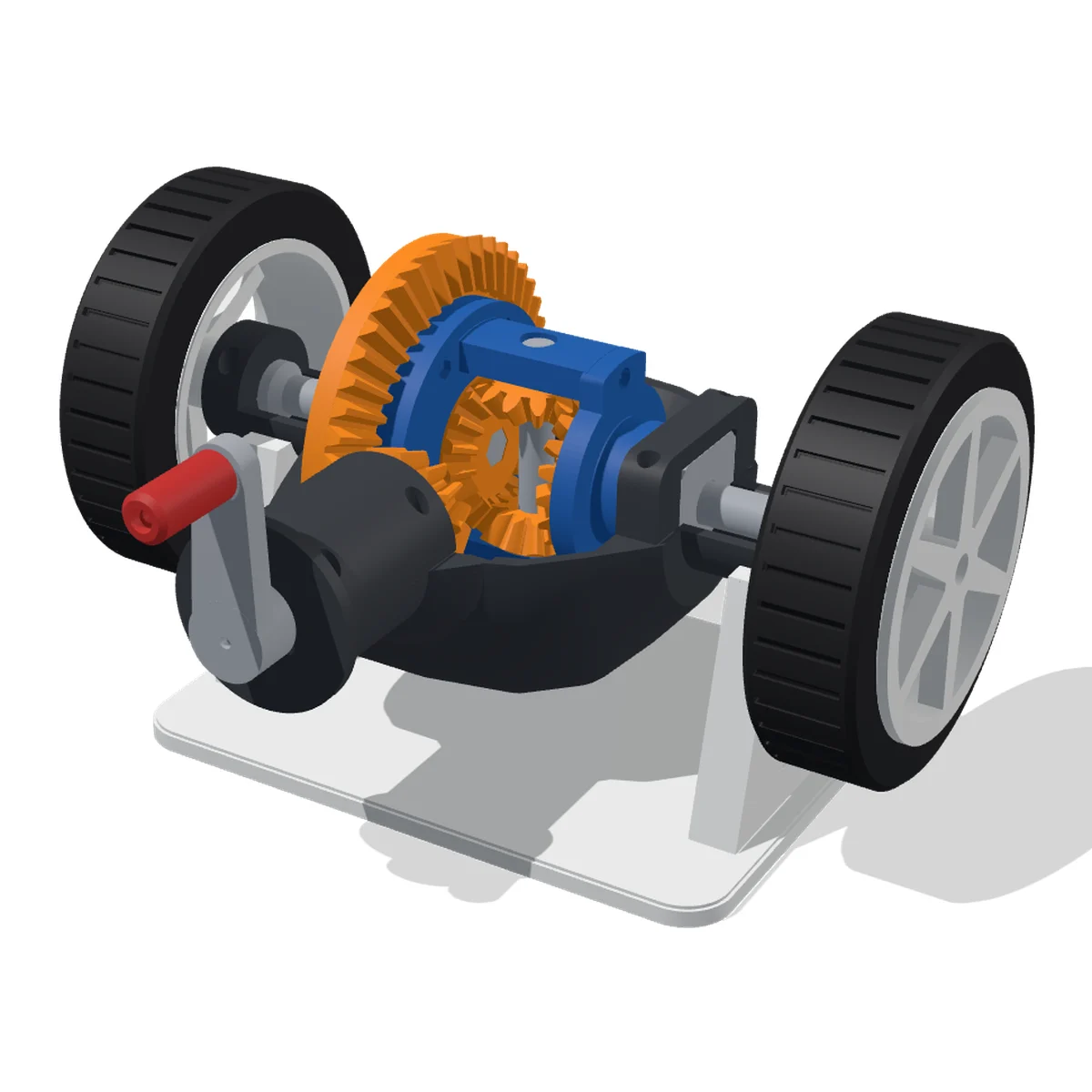
Car differential
Hold one wheel and watch the other.
-
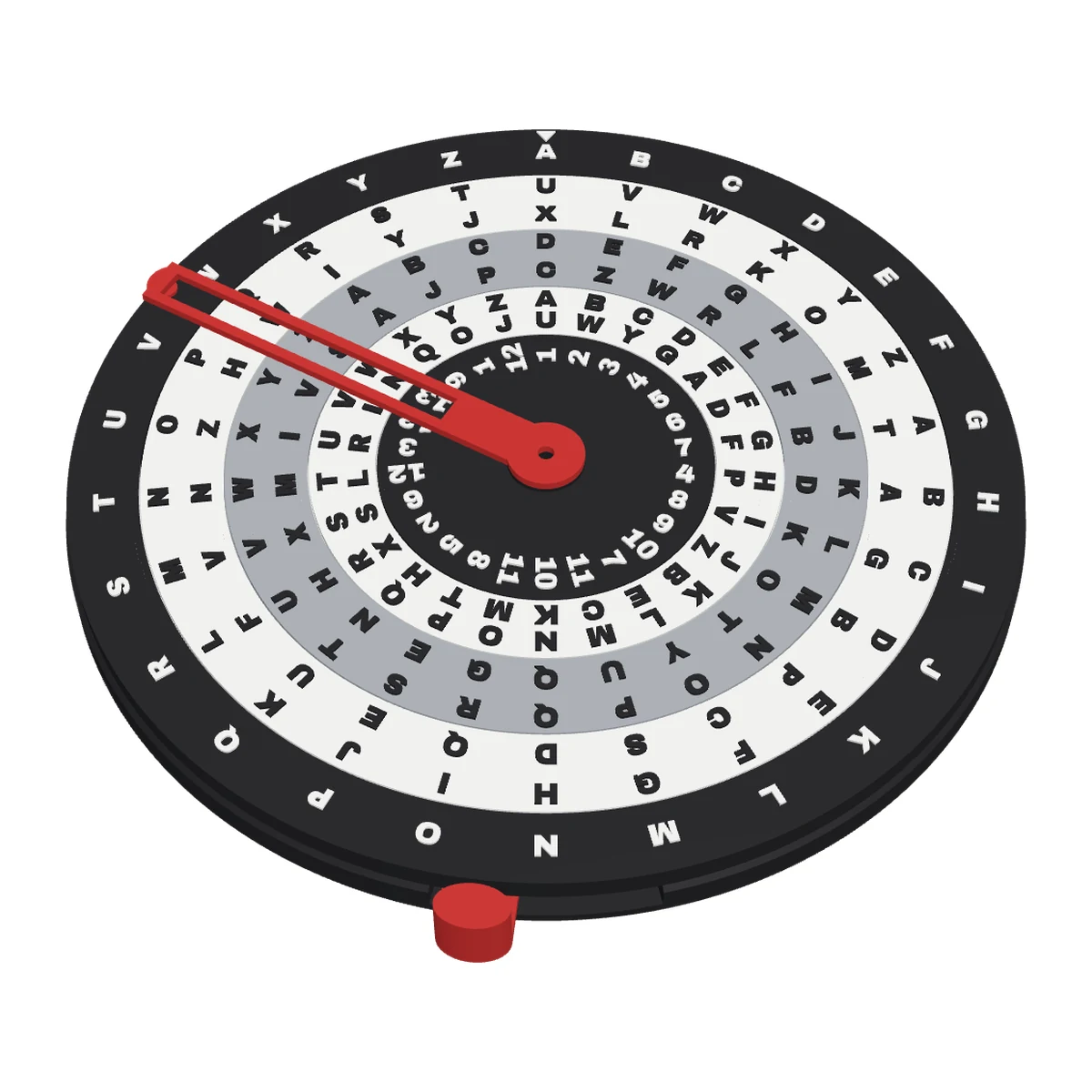
Enigma machine
Encrypt a message by hand.
-
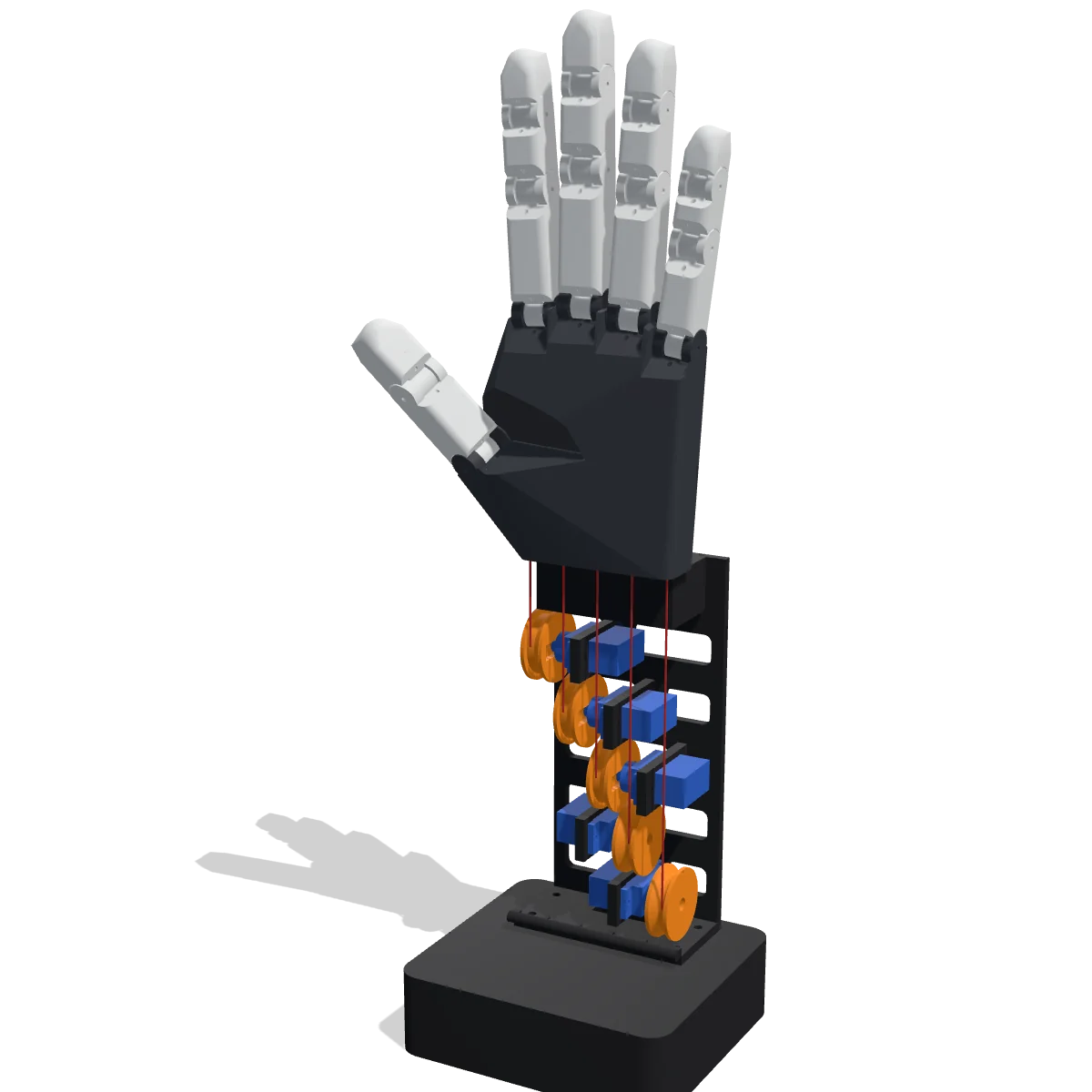
Robot hand
Tendons pulled by five servos and an Arduino.
Good to know
Can I use them in school?
Yes. The licence is CC BY-NC 4.0: free for non-commercial use, which includes teaching. Credit Shapekit and don't sell the prints.
Do students need an account to download?
No. Every file downloads straight from the model page, one by one or as a ZIP.
Which printer settings do I use?
0.2 mm layers, 2 to 3 walls and 15% infill in PLA, unless a model page says otherwise. None of them need supports.
Is there a lesson plan?
Not yet. Each model page explains how the mechanism works and how to build it, which most teachers turn into a lesson. If you made a lesson around one, we would like to hear about it.