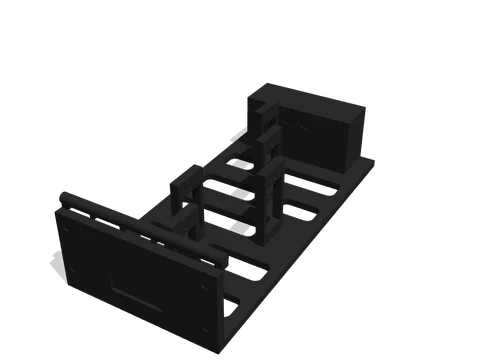
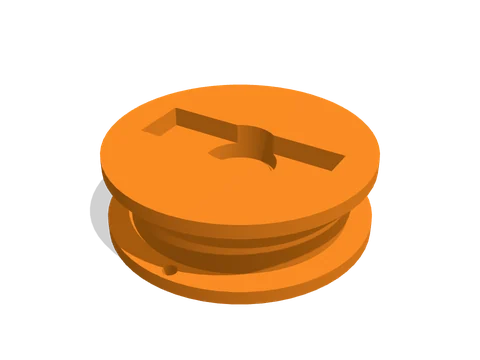
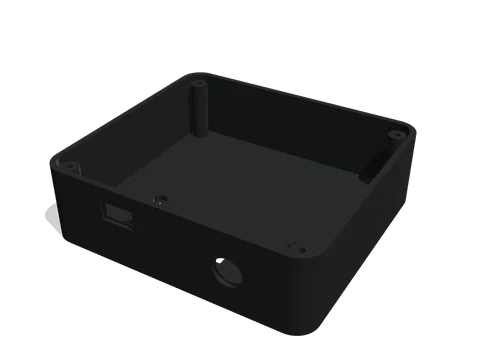
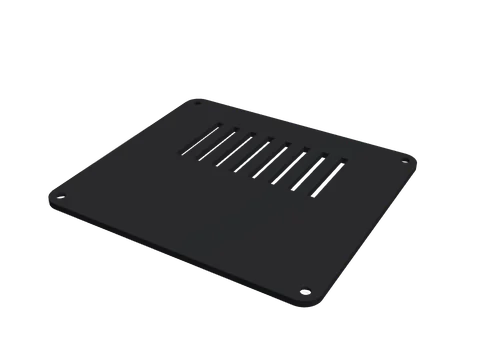
Print the parts
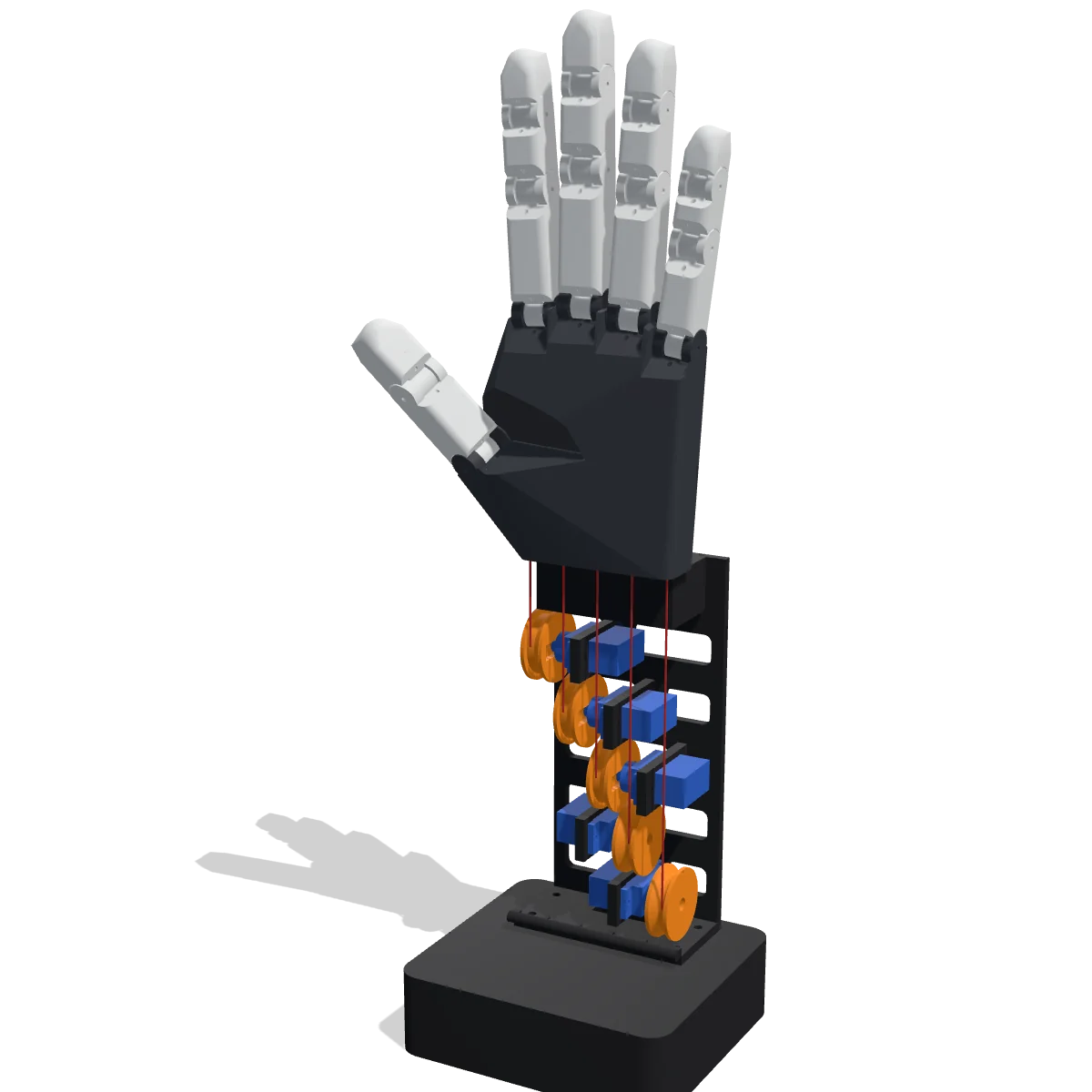
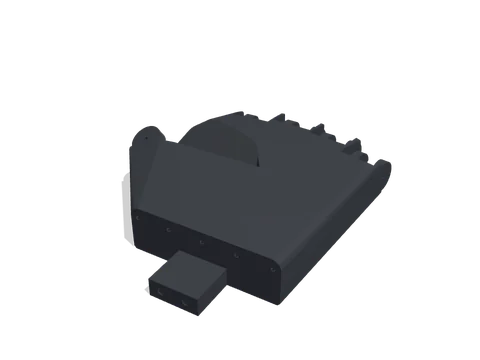
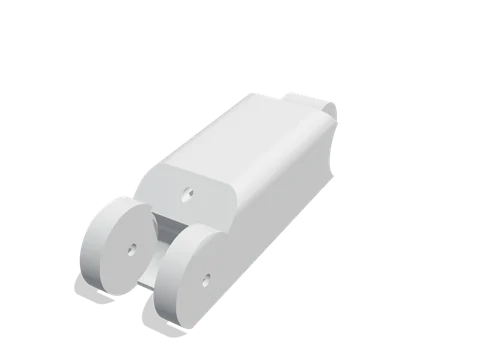
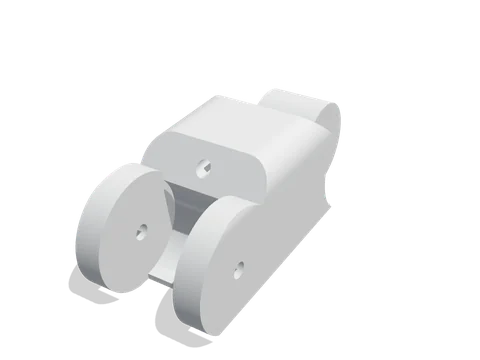
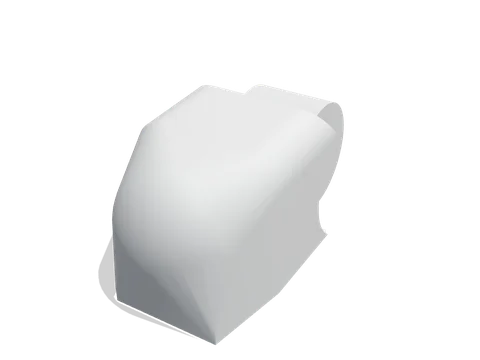
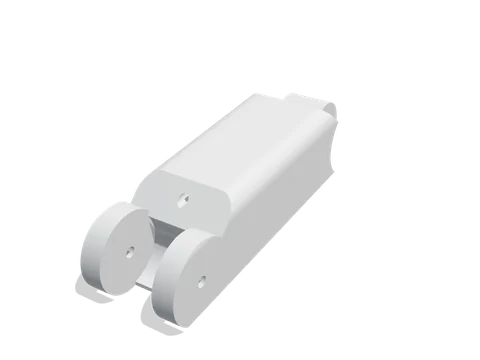
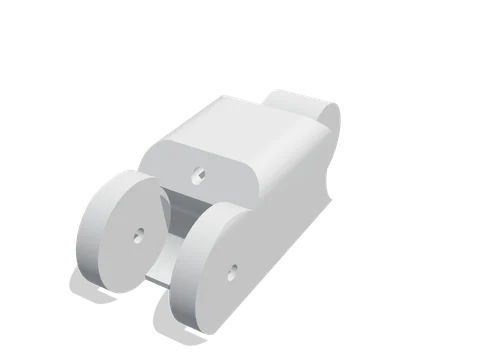
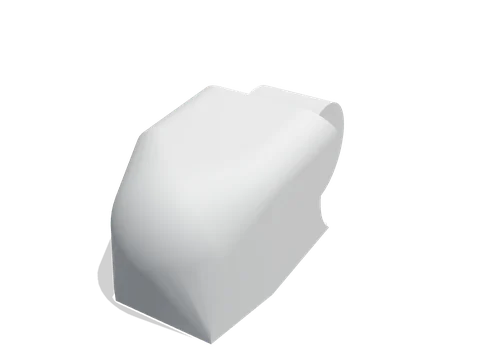
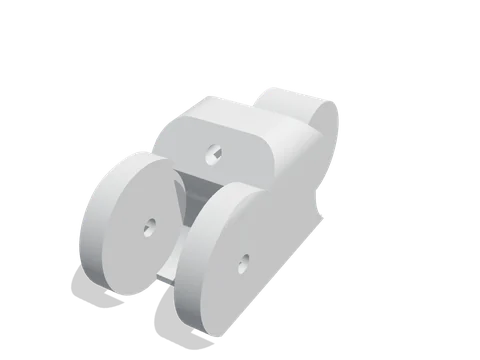
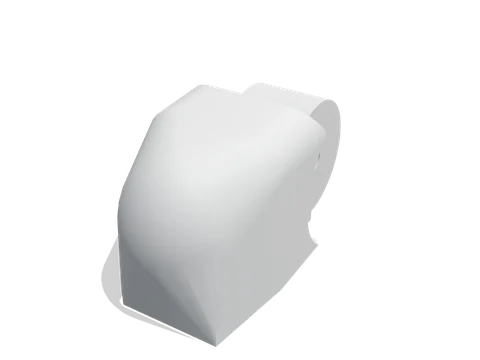
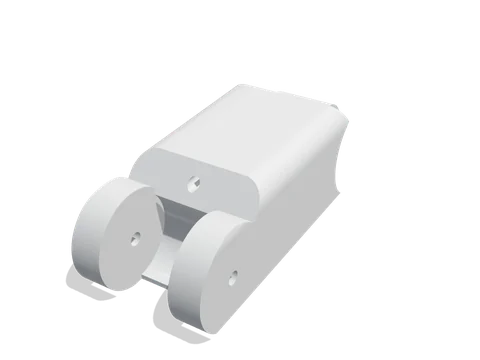
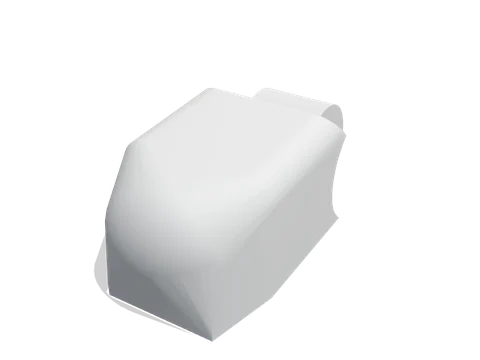
Print the bones and the palm on their backs, the forearm on its back wall, the base upside down and the spools front face down. Nothing needs supports. Run a 2 mm drill bit by hand through the holes in the tongues (they must turn freely on the pin) and a 1.8 mm bit through the cheeks (the pin must be snug there).
Hinge the fingers
Push the tongue of a bone between the cheeks of the one before it and push a piece of 1.75 mm filament through. Cut it flush on both sides and touch each end with a hot soldering iron, or a drop of superglue on the cheeks only, so it cannot walk out. Every joint must swing freely and stop when the finger is straight.
Thread the elastic
Tie a knot in the elastic, pull it through the back channel from the fingertip so the knot sits in the pocket on the nail, and on into the palm until it comes out of the hole in the back of the hand. Pull until the finger stands straight with some force, knot it there and put a drop of superglue on both knots.
Thread the lines
Do the same with the fishing line through the palm side channel, starting at the second pocket on the nail. It comes out at the bottom of the wrist. Leave 40 cm on each line.
Fix the hand on the forearm
Put the block under the wrist into the socket on top of the forearm and screw it with two M3 × 16 from below, before the thumb's servo goes in, which covers the screws.
Fit the servos
Put each servo through its rib from the front, shaft outwards, and screw its tabs to the rib with the screws that came with it. Run the cables through the window behind it and down the back of the forearm to the slot in the foot.
Wire the base
Put the breadboard with the Arduino in the base and the jack in the round hole at the back. Servo signal wires to D3 (thumb), D5 (index), D6 (middle), D9 (ring) and D10 (little); servo red to +5 V and brown to GND of the jack; the jack's GND also to a GND pin of the Arduino; the capacitor across the jack. Load robot-hand.ino from the ZIP with the Arduino IDE.
Fit the spools and tie the lines
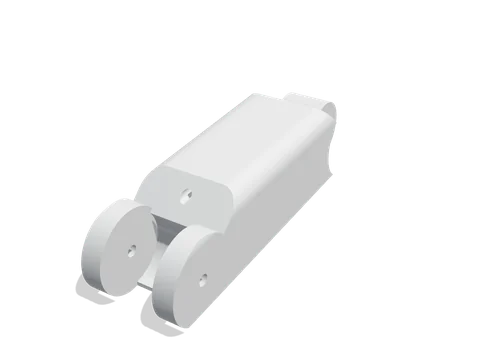
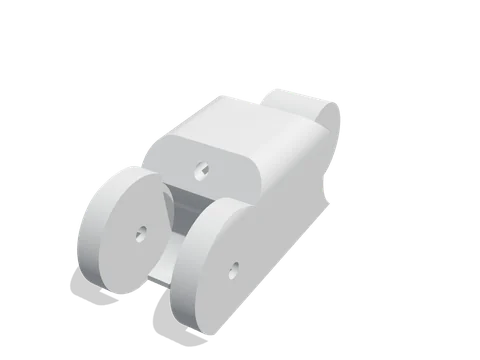
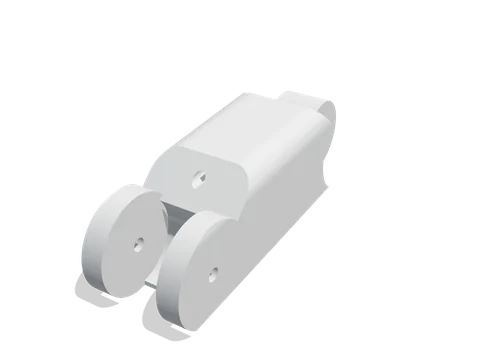
Type tie in the Serial Monitor: every servo goes to its open angle. Clip the arms of each horn to 20 mm, press it into the back of a spool and screw it onto the servo. Lead each line down the front, onto the front of its spool's groove, through the tie hole and knot it with the finger straight and the line just tight. Screw the forearm to the base with four M3 × 10 and the nuts underneath, and close the lid.
Let it move
Plug in the power supply: the hand plays its gestures over and over. In the Serial Monitor you can type open, fist, thumbsup, point, peace, rock or wave, or five numbers from 0 to 100 for how far each finger closes. If a finger opens where it should close, change its sign in DIR at the top of the sketch.
Or pull it by hand
Leave out the servos and the electronics. Lead each line down the front of the forearm, behind the bar at the foot and forward under it, and tie a pull ring to its end so the rings lie on the front of the base. Pull a ring and its finger closes; let go and the elastic opens it.
The servos pull hard: keep your fingers out of the spools while it runs, and unplug it before you work on the lines. Small parts: keep them away from young children.